Corporate flower service for Chipping Barnet offices
Posted on 10/10/2026
If you manage an office in Chipping Barnet, flowers probably sit lower on the list than payroll, rotas, client meetings and the small disasters that appear before 9am. Fair enough. But a well-run corporate flower service for Chipping Barnet offices can quietly change how a workplace feels the moment someone walks in. Fresh flowers soften reception desks, make meeting rooms feel more considered, and give staff and visitors that subtle sense that things are looked after here.
This guide explains what a corporate flower service actually involves, how it works in practice, who benefits most, and what to watch out for before you commit. We'll also cover practical setup tips, compliance-minded considerations, common mistakes, and a realistic checklist you can use when comparing options. If you've ever wondered whether office flowers are a nice-to-have or a smart workplace detail, the short answer is: often both.
And yes, they do more than sit there looking pretty. A good service is about consistency, timing, presentation, and not creating extra admin for your team.
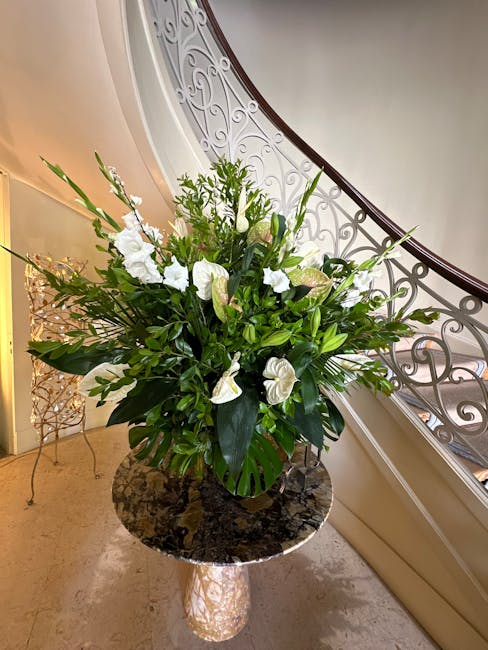
Why Corporate flower service for Chipping Barnet offices Matters
In an office setting, flowers are never just decoration. They affect first impressions, the tone of a reception area, and even how a meeting room is perceived before anyone says a word. In Chipping Barnet, where many workplaces balance professionalism with a more local, community-minded feel, that extra polish can be especially useful.
Think about the spaces people actually use. The reception desk. The boardroom table. The waiting area outside HR or finance. A flower arrangement in the wrong place can feel fussy or intrusive, but the right one can make a room feel calmer, fresher and more intentional. That matters when clients are arriving after a train journey, staff are heading into a long day, or visitors are waiting with a cup of tea and a slightly folded coat.
There's also a practical side. A recurring corporate flower service is easier to manage than ad hoc purchases from whoever remembers on the way in. You get a predictable look, a scheduled refresh, and arrangements sized for the space rather than whatever happened to be available at short notice. Let's face it, "someone grabbed something from the shop" is not the same as having a proper workplace arrangement plan.
For office managers, workplace coordinators, front-of-house teams and business owners, that consistency is often the real value. It removes guesswork. It saves time. It stops flowers becoming one more last-minute job.
How Corporate flower service for Chipping Barnet offices Works
At its simplest, a corporate flower service is a managed delivery and replacement arrangement for office flowers. The supplier learns your office layout, preferred style, delivery timing and budget, then provides fresh arrangements on a schedule that suits the business. Some workplaces want weekly refreshes, others prefer fortnightly deliveries, and some only need flowers for reception, meetings or client events.
Usually, the process begins with a brief. You explain where the flowers will sit, who the audience is, and what kind of look you want. A calm reception might suit soft neutrals and greens. A creative agency might prefer stronger colour. A law office may choose something restrained and polished. There's no universal rule here. The best arrangement is the one that feels right in the room.
From there, the supplier typically confirms:
- the arrangement style and size
- delivery frequency
- budget range
- vase or container preferences
- placement instructions and access details
- refresh or replacement options if blooms start to fade early
Some services are fully serviced, meaning old flowers are taken away and replaced with new ones. Others provide delivered arrangements that office staff place themselves. For busy workplaces, the first option is usually the easier one. Nobody wants to be the person politely clearing out last week's lilies at 4:55pm.
There's also flexibility in style. Many businesses choose seasonal flowers, which can feel fresher and more natural than forcing the same design all year. Seasonal work tends to look more authentic too. You know it when it feels balanced rather than overworked.
Key Benefits and Practical Advantages
The benefits are partly visual, but the stronger case is operational. Flowers can improve how a workplace is experienced without creating more work for the team. That's the sweet spot.
A better first impression
Clients and candidates often form a view of a business before they sit down. A tidy entrance with fresh flowers signals care, attention and a little confidence. It says the office is maintained with purpose, not left to chance.
A more welcoming reception area
Reception spaces can feel functional to the point of being cold. Flowers soften that. They bring a human element into rooms that are otherwise mostly glass, metal, screens and straight lines. Even one modest arrangement can make the space feel less sterile.
Support for staff wellbeing and atmosphere
Now, flowers are not a magic fix for workplace morale. That would be a bit much. But they can improve the day-to-day atmosphere. People notice colour, movement and freshness. It creates a small visual pause during a busy day, which can help a space feel less flat.
Less admin, more consistency
Recurring delivery means fewer one-off decisions. No one has to remember to reorder. No one has to improvise before a client presentation. It becomes part of the office routine, which is exactly what good corporate services should do.
Brand alignment without being overdone
Flowers can echo a company's identity in a subtle way. A modern consultancy may want clean whites and greens. A creative team may choose mixed colours. A heritage-focused practice may prefer something classic and understated. The trick is restraint. Good corporate flowers support the brand; they don't shout over it.
| Approach | Best for | What it feels like | Admin level |
|---|---|---|---|
| Weekly serviced flowers | Busy offices, reception-heavy spaces | Fresh, polished, always ready | Low |
| Fortnightly flowers | Smaller teams, moderate footfall | Simple and cost-aware | Low to medium |
| Ad hoc event flowers | Meetings, launches, seasonal occasions | Flexible, occasional, targeted | Medium |
| Subscription-style service | Offices that want predictability | Regular, easy to plan around | Low |
Who This Is For and When It Makes Sense
A corporate flower service makes most sense where presentation matters and internal time is limited. That covers a lot of workplaces, from professional services firms to property offices, clinics, coworking spaces, showrooms and small head offices.
You may be a good fit if you recognise any of these situations:
- your reception is the first thing visitors see and it feels a little bare
- your team regularly hosts meetings with clients, suppliers or candidates
- you want a more polished feel without hiring a full-time facilities person for it
- you need a reliable solution for recurring fresh flowers
- you've had one-off arrangements that looked lovely for a day, then wilted into admin
It also makes sense seasonally. January can feel bleak. Spring brings lighter colours. Summer receptions benefit from fuller, brighter styles. Autumn often suits warmer tones and richer textures. And at Christmas, offices often want something a little more festive without becoming overdecorated. A sensible florist will understand that line.
For smaller businesses in Chipping Barnet, the question is often not "Can we justify flowers?" but "Can we keep this simple?" If the answer is yes, then a managed service is usually the neatest route.
Step-by-Step Guidance
If you're setting this up for the first time, the process is straightforward when handled properly. Here's the practical version.
- Define the purpose. Decide whether the flowers are for reception only, meetings only, or multiple areas. Different spaces need different scales.
- Measure the environment. A tall arrangement on a small desk can dominate the room. Likewise, a tiny bouquet in a large lobby may disappear. Proportion matters more than people think.
- Set a budget range. Keep it realistic. A clear budget helps the florist suggest appropriate designs rather than guessing.
- Choose the service rhythm. Weekly, fortnightly or event-based? Pick the interval that suits footfall and the speed at which flowers age in your space.
- Pick a style direction. Soft and calm, bright and welcoming, or polished and formal? A mood board can help, even if it's just a few screenshots and a bit of common sense.
- Confirm practical logistics. Delivery access, reception hours, security requirements and internal contact details all matter. Nothing glamorous here, but it saves hassle.
- Review after the first delivery. Stand back and look at the arrangement in the actual room, not just on a kitchen table. Is it too tall? Too busy? Too timid? Small adjustments make a big difference.
- Create a maintenance routine. Even serviced flowers benefit from basic care: water checks, placement away from heat sources and quick removal of any damaged stems.
A small but important detail: ask who is responsible if a delivery arrives during a meeting or if the usual contact is away. These are the tiny operational wrinkles that can trip people up. Sorting them once is much easier than sorting them every month.
Expert Tips for Better Results
In our experience, the best office flower setups are rarely the most extravagant. They're the most considered. Here are the things that tend to make the biggest difference.
Choose flowers that suit the room, not just the brief
Light levels, air conditioning and room temperature all affect how long flowers last. A cool, shaded reception may be fine with fuller blooms. A warm office near automatic doors may need sturdier stems and simpler designs.
Use fewer statement pieces, more consistency
One dramatic arrangement can look impressive, but if the rest of the office feels mismatched, the effect weakens. Regular, consistent styling usually looks more professional than random flair. Slightly boring? Maybe. Effective? Very often, yes.
Match the arrangement to the business type
A financial services office might lean toward elegant whites, soft greens or subtle pastels. A design studio could go bolder. A medical or wellness environment may benefit from a calm, reassuring palette. The flowers should feel like they belong there.
Keep scent in mind
Some flowers are beautifully scented, but not every office wants that. In enclosed meeting rooms or shared spaces, stronger fragrance can be distracting. If people are sensitive to scent, it's better to keep things light.
Plan around busy days
If Monday mornings are hectic, avoid delivery timing that adds a job exactly when no one has time for it. Midweek can be easier for many offices. A sensible supplier will work with your rhythm rather than imposing theirs.
Let the florist lead on seasonal choice
You can specify colour and tone, but good florists usually know which blooms are holding up well that week. That kind of flexibility helps. Truth be told, it often produces a better result than insisting on a fixed list of stems every single time.
Expert summary: the best corporate flower service is one that feels effortless to the office while still looking intentional. Keep the brief clear, the style proportionate, and the logistics boring in the best possible way.
Common Mistakes to Avoid
The biggest office flower mistakes are usually not dramatic. They're small, avoidable, and surprisingly common.
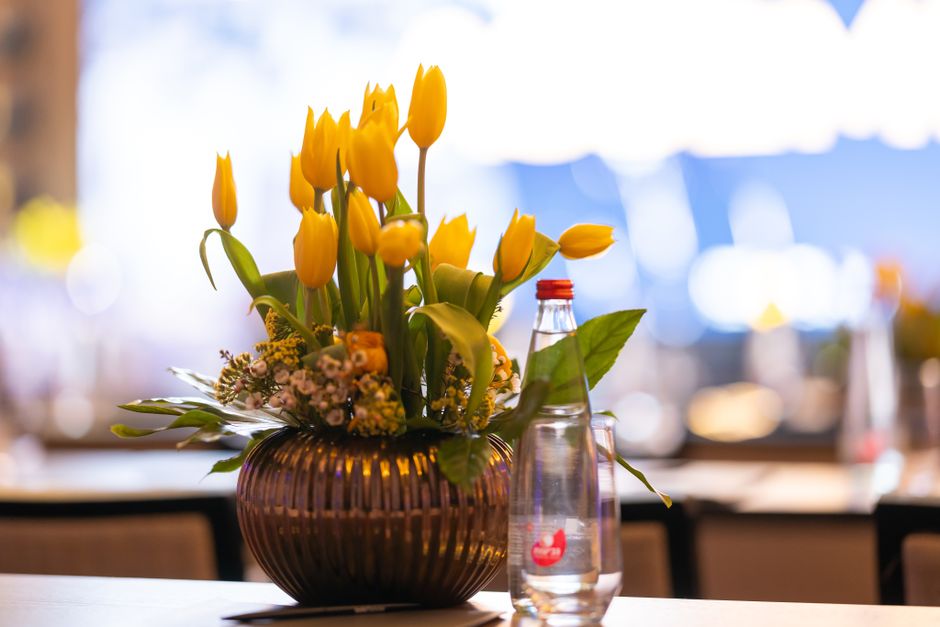
- Buying arrangements that are too large. Oversized flowers crowd desks and make spaces feel cluttered.
- Ignoring the room's lighting and temperature. What looks good in a florist's shop may not last well in a hot reception or under strong artificial light.
- Choosing style without thinking about maintenance. If nobody is free to keep them topped up, arrangements need to be realistic.
- Making the office team manage everything. If the service creates more admin than value, the model needs adjusting.
- Picking flowers only for colour. Durability, scent and scale matter just as much.
- Forgetting to plan for holidays. A service should know what happens when the office closes, especially over long weekends or seasonal breaks.
- Not reviewing the first few deliveries. A simple tweak after week one can save months of slightly "off" arrangements.
One real-world example: a reception might ask for a tall arrangement because it looks impressive in photos, only to find it blocks sightlines at the front desk. Nice in theory. Irritating in practice. That kind of thing happens a lot.
Tools, Resources and Recommendations
You do not need a complicated toolkit to manage office flowers well, but a few simple resources help.
- A room plan or quick sketch showing reception, meeting areas and desk locations.
- Photos of the space taken in daytime and evening light.
- A simple style reference with colour preferences and notes on what the office dislikes.
- A delivery contact list for reception, building management or the main office point of contact.
- A basic care routine for checking water levels and removing any tired stems.
If you want a stronger corporate presentation, it also helps to think beyond flowers alone. Some offices pair arrangements with branded stationery, tidy reception layouts and seasonal refreshes. That does not mean overdoing it. It just means the office feels joined up.
For practical inspiration, you may find useful options within broader ranges such as corporate gifting, luxury flowers, or a more flexible florist choice arrangement when you want the florist to choose the best stems available. If your workplace prefers a softer, low-fuss look, a simple selection from flowers in a vase can be a very practical option.
If your team wants a local point of contact for planning, the corporate accounts page is also worth a look, especially if you're comparing recurring arrangements rather than one-off orders. It keeps things cleaner administratively. Which, honestly, is half the battle.
Law, Compliance, Standards, or Best Practice
For most office flower services, the main compliance concerns are practical rather than legal. You are usually thinking about workplace access, waste handling, building rules, and any internal procedures around deliveries or shared office areas. That said, it is sensible to treat office flowers as part of a workplace environment that should remain safe, clean and accessible.
Best practice usually includes the following:
- keeping entrances and walkways clear
- placing arrangements where they do not obstruct visibility or movement
- avoiding spills from overfilled containers
- making sure staff know who is responsible for receipt and placement
- checking whether the building has delivery restrictions or reception protocols
If your office has visitors with scent sensitivities, pollen concerns or accessibility needs, it's worth choosing arrangements carefully and keeping fragrance moderate. That's just thoughtful practice, really.
For businesses handling contracts, recurring billing or account-based purchasing, it is sensible to review the supplier's terms and conditions, privacy policy, and payment information before setting up a repeat service. If you need reassurance on quality or delivery expectations, the supplier's guarantees and delivery details are also useful to review. These are the kinds of pages people skip until something goes wrong. Better not to skip them.
For sustainable workplace choices, it may also be worth looking at the supplier's sustainability information and modern slavery statement. Those pages won't choose the flowers for you, obviously, but they do help you judge how the business operates behind the scenes.
Options, Methods, or Comparison Table
There is more than one way to arrange flowers in a corporate setting. The best option depends on budget, frequency, and how polished the office needs to feel from day to day.
| Option | Pros | Trade-offs | Best fit |
|---|---|---|---|
| Weekly floral refresh | Always fresh, strong presentation, low hassle | Higher ongoing cost | Client-facing offices, reception-heavy spaces |
| Fortnightly delivery | Balanced cost and freshness | Flowers may age before the next changeover | Smaller offices, moderate footfall |
| Event-based flowers | Good for launches, meetings and seasonal moments | Less consistent day to day | Businesses with occasional hosting needs |
| Subscription model | Predictable, easy to budget, very practical | Less spontaneous flexibility | Offices wanting a set-and-forget approach |
| Desk or mini arrangements | Subtle, affordable, easy to place | Lower visual impact | Small teams and shared workspaces |
If you're unsure which route to take, start with the space itself. A large reception tends to need something structured and visible. A small office often benefits from one or two restrained arrangements rather than lots of tiny ones. Simple rule, but it works.
Case Study or Real-World Example
Picture a small professional office in Chipping Barnet with a front reception, one meeting room and a shared kitchen area. The team wanted the space to feel more welcoming for visitors, but nobody had time to manage flowers manually every week. Sound familiar?
The solution was a recurring corporate flower setup with a modest arrangement for reception and a second smaller piece for the meeting room when client visits were scheduled. The style was kept neutral and seasonal, with enough colour to lift the room but not enough to compete with the office branding. The delivery was arranged for a quiet midweek slot, so it didn't interrupt the morning rush.
What changed? The reception felt calmer, the meeting room looked more polished, and the office team stopped having to remember one more tiny task. Nothing dramatic. Just a better atmosphere, and less faff. Sometimes that's exactly what you want.
The key lesson from this kind of setup is that office flowers work best when they are built around the working pattern, not just the look. A service that respects access times, room size and budget will nearly always outperform a more decorative but less practical approach.
Practical Checklist
Use this checklist before setting up or renewing your office flower service.
- Have you identified the main areas that need flowers?
- Do you know whether the space needs weekly, fortnightly or occasional delivery?
- Have you set a realistic budget?
- Have you chosen a style that matches the office environment?
- Have you confirmed access details, delivery times and a contact person?
- Are the flowers sized appropriately for the room?
- Have you considered fragrance, pollen and staff sensitivities?
- Do you know what happens during holidays or office closures?
- Have you reviewed supplier terms, guarantees and delivery expectations?
- Have you planned a short review after the first delivery?
Quick takeaway: if the flowers are easy to manage, fit the room and stay fresh long enough to justify the spend, you're on the right track. It really is that straightforward.
Conclusion
A corporate flower service for Chipping Barnet offices is less about luxury and more about making everyday business space feel considered. The right arrangements improve first impressions, support a welcoming workplace atmosphere and remove the hassle of doing flowers in-house. Whether you need a single reception piece or a regular service across multiple rooms, the best results come from clear brief, practical timing and a style that suits the office rather than trying to impress everyone at once.
If you approach it sensibly, flowers become one of those small details that quietly does a lot of work. They don't demand attention, but people notice them. And in a busy office, that kind of steady, calm presence is worth something.
Get a free quote today and see how much you can save.
If you're ready to create a more polished office environment in Chipping Barnet, start with a simple conversation about space, budget and style. A well-chosen arrangement can lift a room faster than most people expect, and that's a lovely little win in the middle of an ordinary workweek.
Frequently Asked Questions
What is a corporate flower service for offices?
It is a recurring or scheduled flower delivery service designed for business spaces such as receptions, meeting rooms and client-facing areas. The focus is on consistency, presentation and low admin.
How often should office flowers be changed?
That depends on the temperature, light, footfall and the look you want. Many offices choose weekly or fortnightly refreshes, while some only need flowers for events or peak periods.
Are flowers suitable for small offices in Chipping Barnet?
Yes, absolutely. Smaller offices often benefit from one or two well-placed arrangements rather than large displays. Proportion matters more than size.
Do corporate flowers need to match the company brand?
Not exactly, but they should feel consistent with the business atmosphere. A brand-conscious office may choose colours that support the wider visual identity without being too literal.
Can a florist help choose the right style?
Yes. In fact, a good florist should guide you on seasonality, vase size, stem durability and room suitability. That guidance is often what turns a decent idea into a strong one.
What are the most practical flowers for an office?
Practical choices tend to be sturdy, long-lasting flowers with manageable scent and a clean shape. The right mix depends on the office environment, but durability should always be part of the brief.
How much does a corporate flower service usually cost?
Costs vary widely depending on size, frequency, style and extras such as vase changes or event arrangements. It is best to ask for a tailored quote rather than rely on a guess.
Do office flowers need special maintenance?
Usually just basic care: keeping water fresh, removing tired stems and placing arrangements away from direct heat or harsh drafts. Serviced arrangements reduce this workload significantly.
What if our office is closed for holidays?
That should be agreed in advance. A good provider will pause deliveries or adjust timing around closures so flowers do not arrive when nobody is there to receive them.
Are there compliance issues with office flowers?
Usually the main concerns are practical, such as keeping walkways clear, avoiding spills and respecting accessibility or scent sensitivities. Building policies may also affect delivery access.
What is the difference between one-off flowers and a subscription service?
One-off flowers are useful for events or occasional needs. A subscription service is better if you want a regular, predictable look without having to reorder every time.
How do I choose the right supplier?
Look for clear communication, sensible delivery options, transparent terms, and arrangements that suit your space rather than just looking impressive in a photo. The best supplier makes the process feel easy.


